How machines
learn to understand
Understanding the physical world requires more than sensing. It requires context. Awareness. Continuity. The ability to qualify what is changing and what matters.
Seeing is easy.
Understanding is hard.
Noise and Complexity.
Traditional systems process pixels. They see shapes but lack the semantic bridge to meaning.
Context and Meaning.
Spatia translates environment fluctuations into actionable, persistent models of reality.
Every autonomous system must answer three questions.
Where am I?
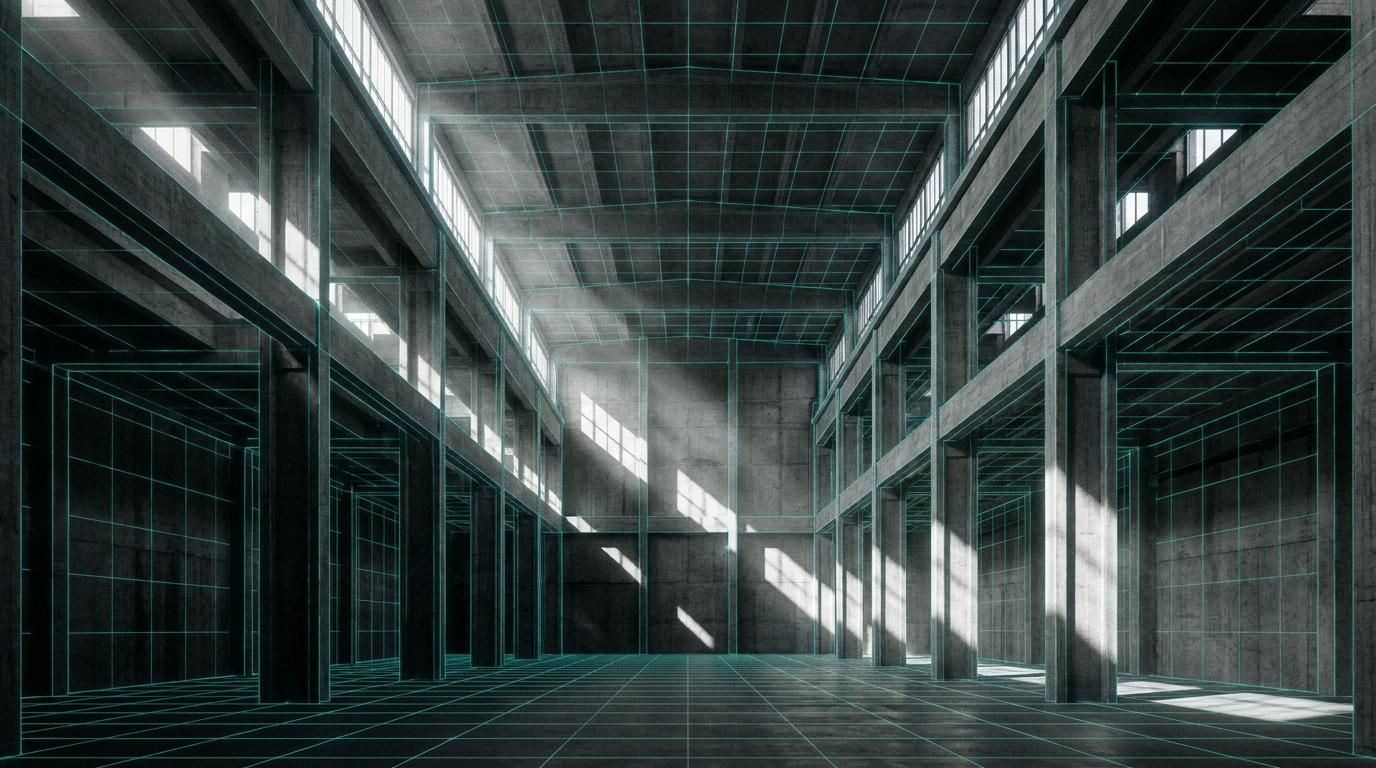
Absolute positioning is a prerequisite. Spatia provides sub-centimeter spatial awareness even in GPS-denied environments.
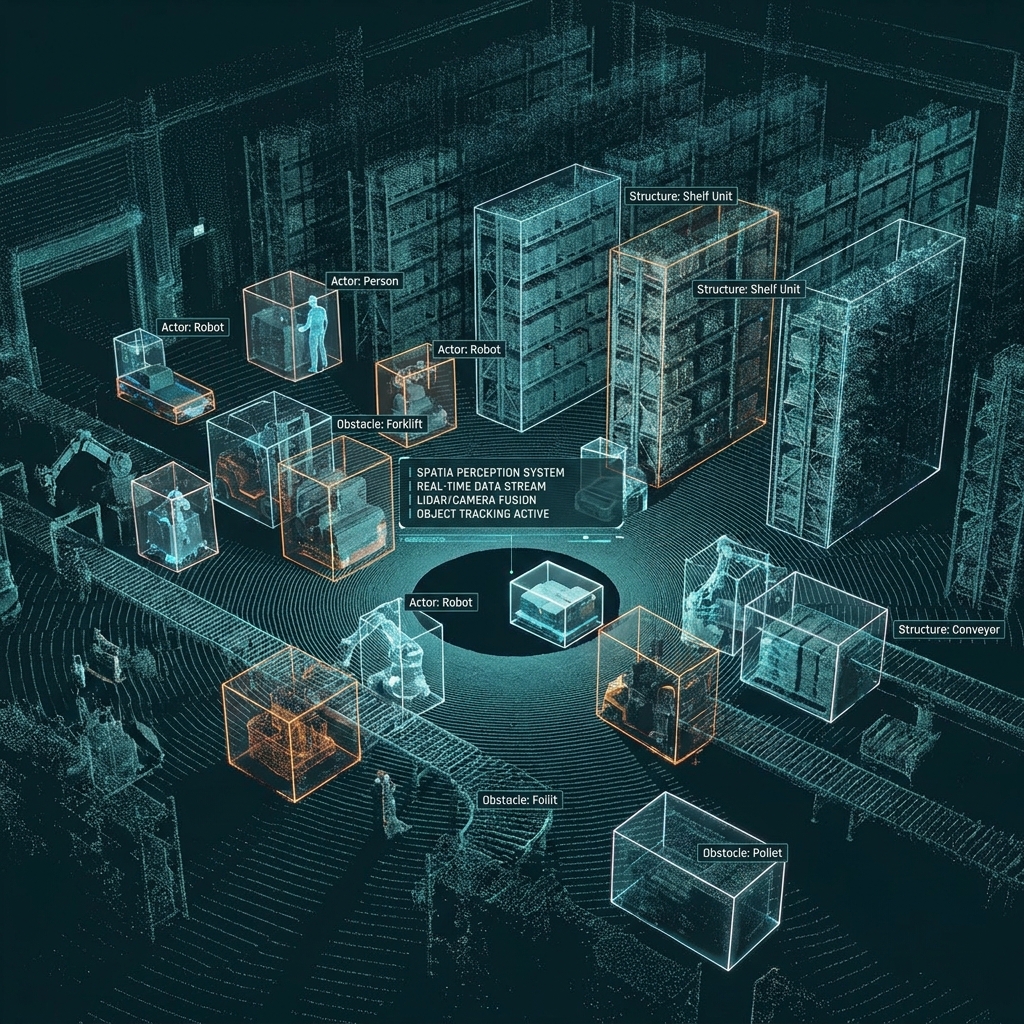
What surrounds me?
Environmental awareness isn't just about obstacles; it's about identifying actors, intent, and long-term structures.
What changed?
Autonomy thrives on Delta. Recognizing what has shifted since the last observation creates true operational intelligence.
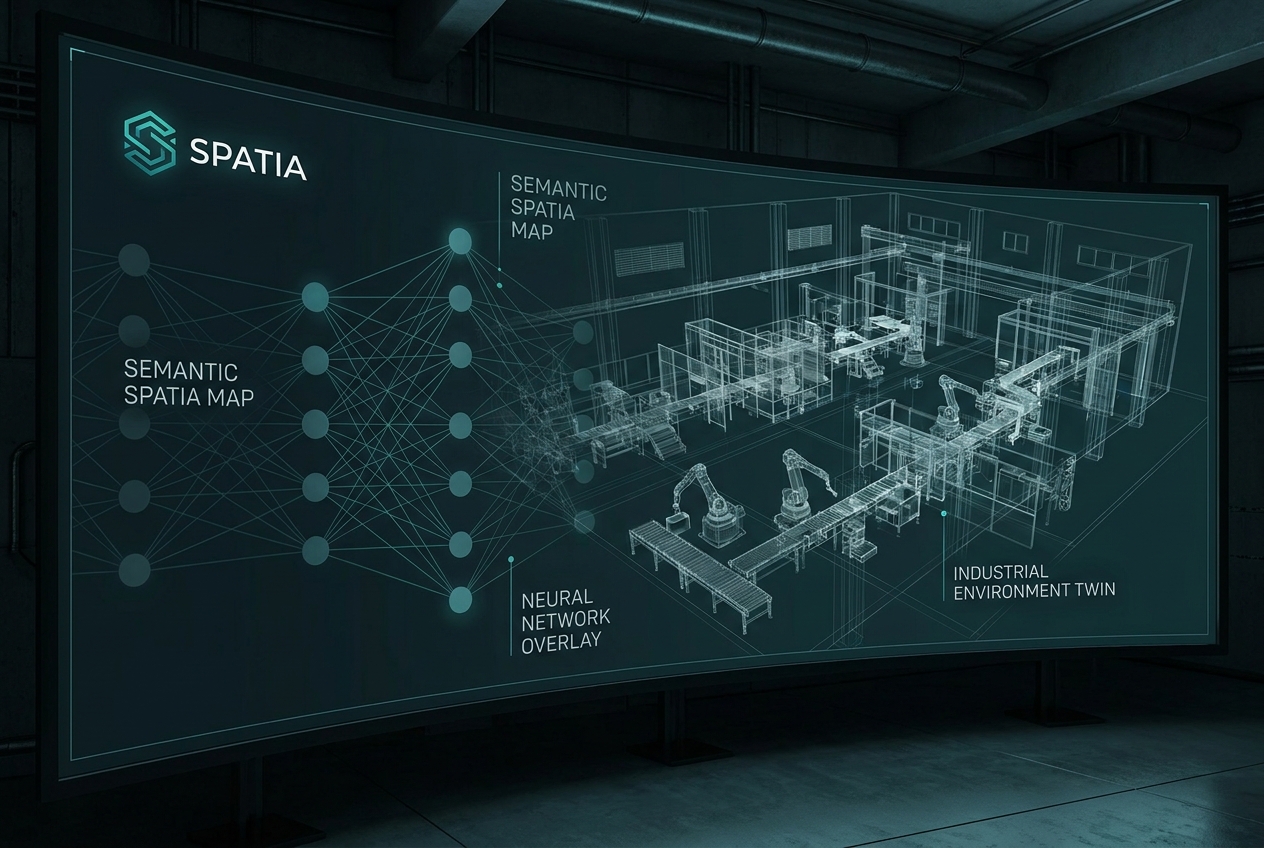
Understanding requires a continuously evolving model of reality.
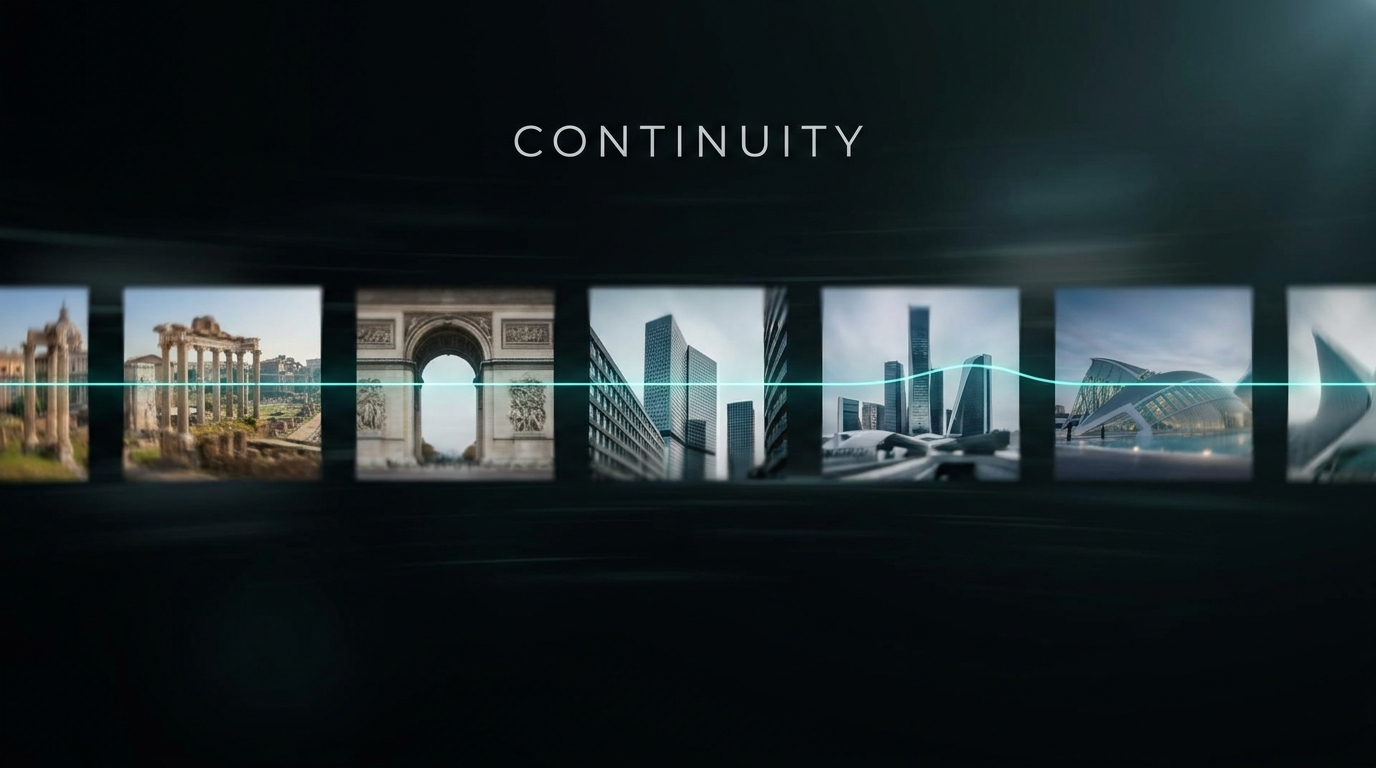
The physical world is not static. People move. Objects move. Conditions change. Understanding must evolve alongside the environment.
Most systems understand moments.
The real world is continuous.
A snapshot is not understanding. A detection is not understanding. Understanding persists as the world changes.
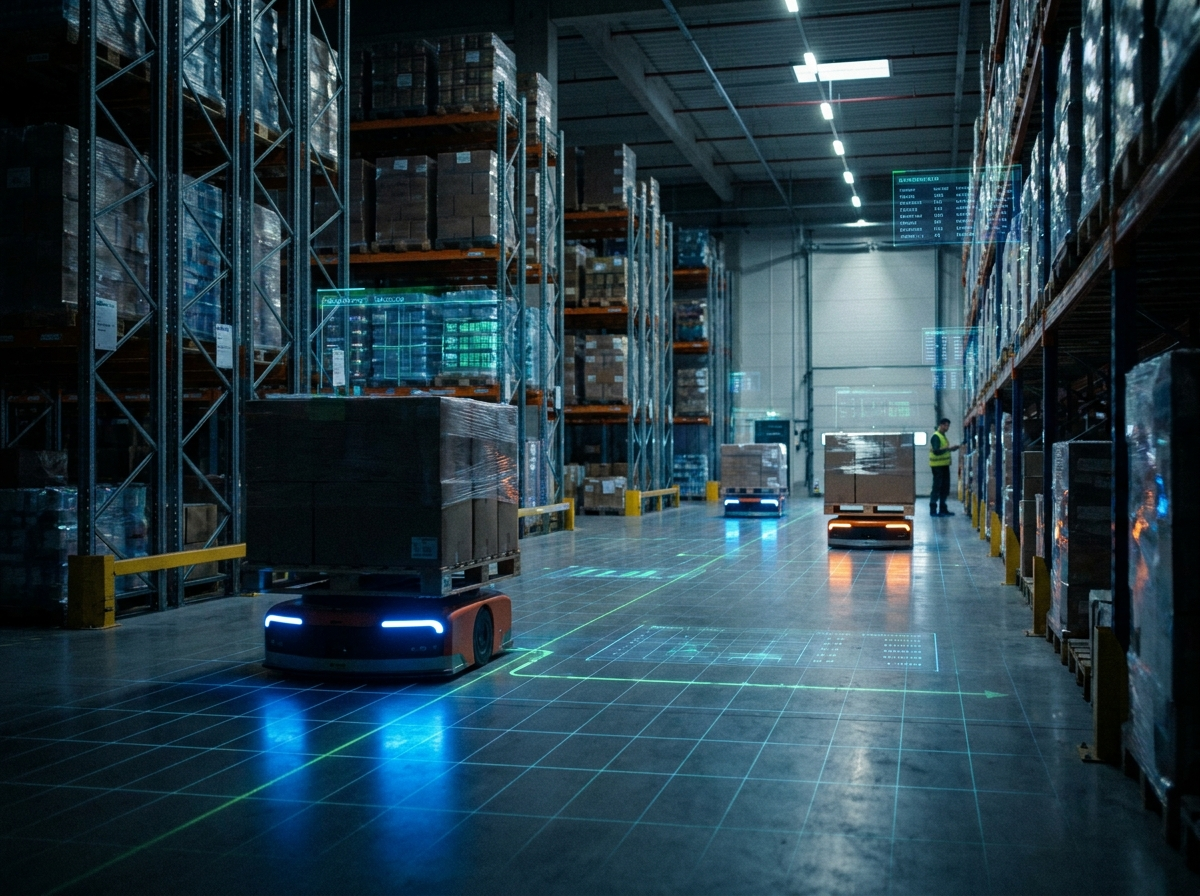
Logistics
Optimization through fluid spatial orchestration. Beyond paths, we enable understanding of dynamic floor flow.
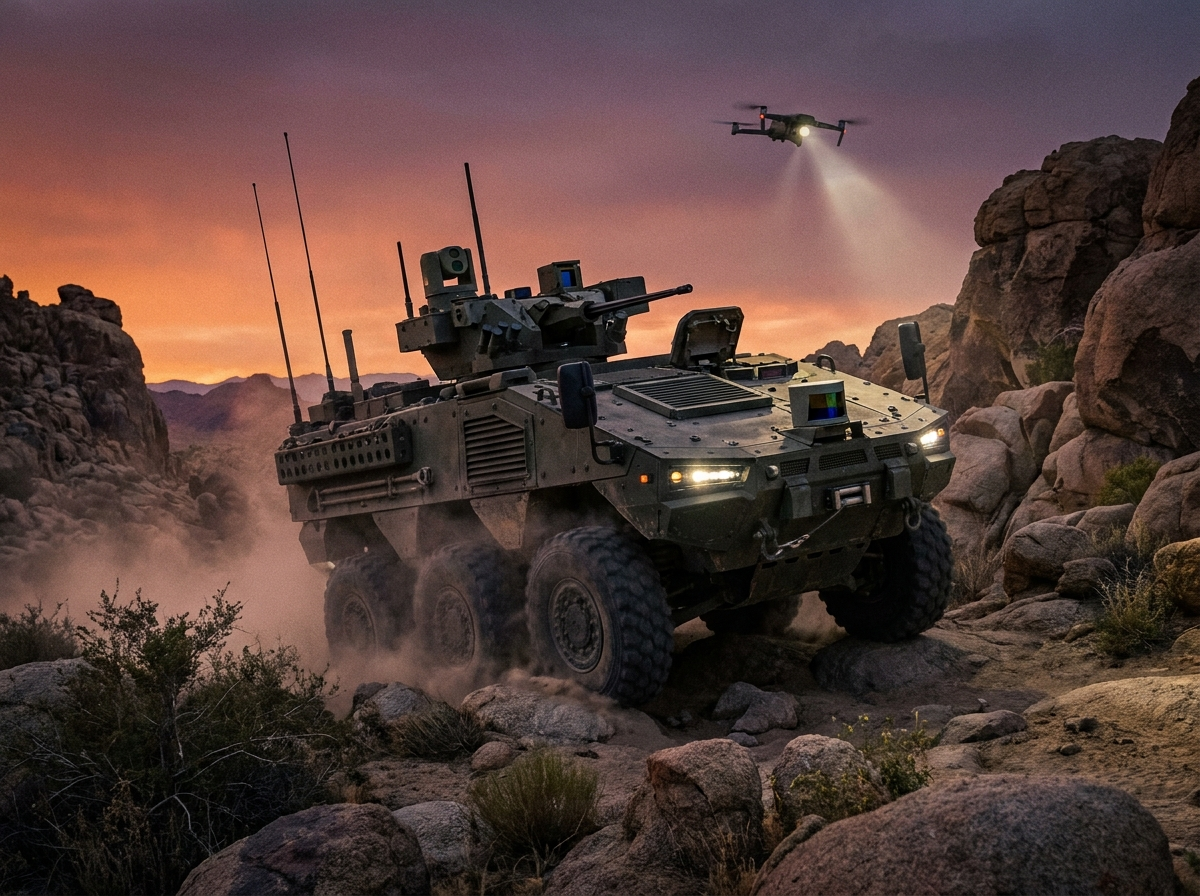
Defense
Absolute reliability in chaotic, unmapped theaters. Strategic awareness is the primary advantage.
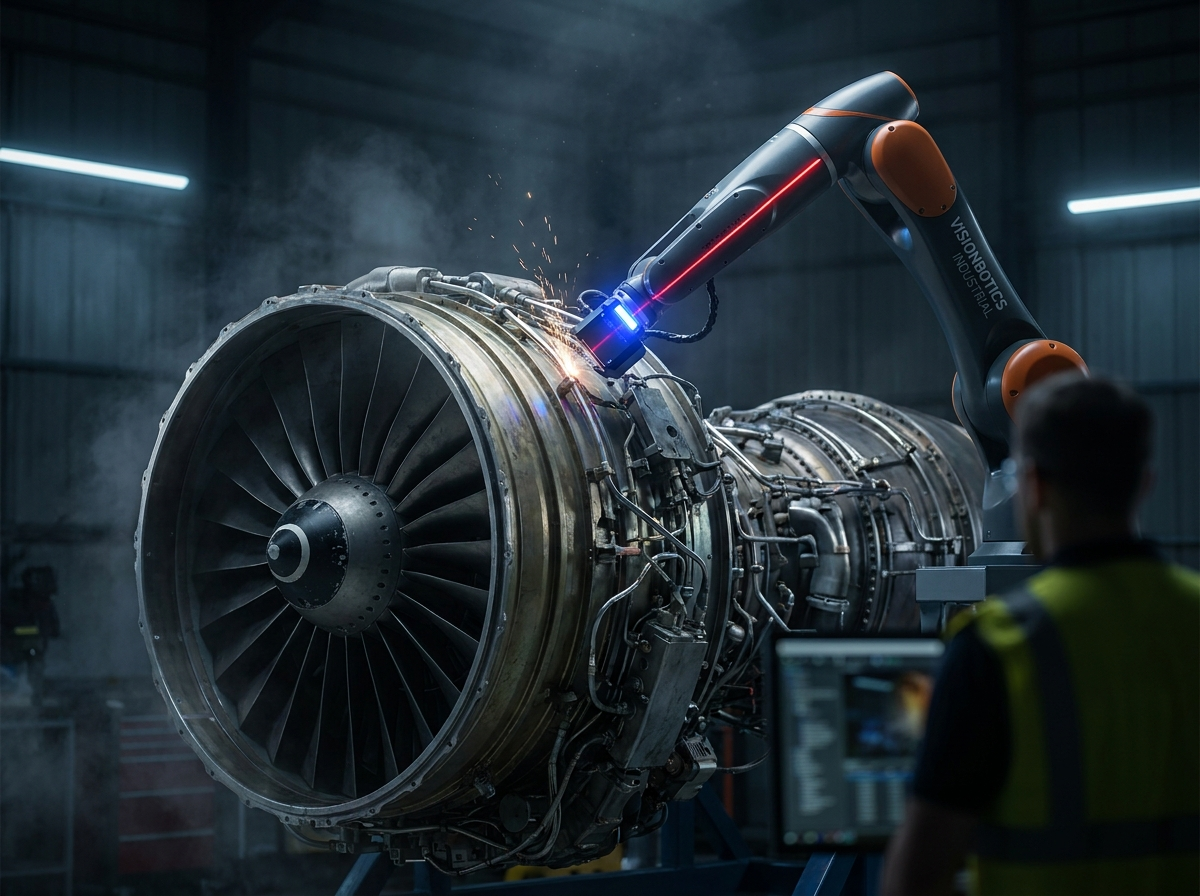
Inspection
Precision diagnostics at scale. Understanding the microscopic variance within macroscopic systems.
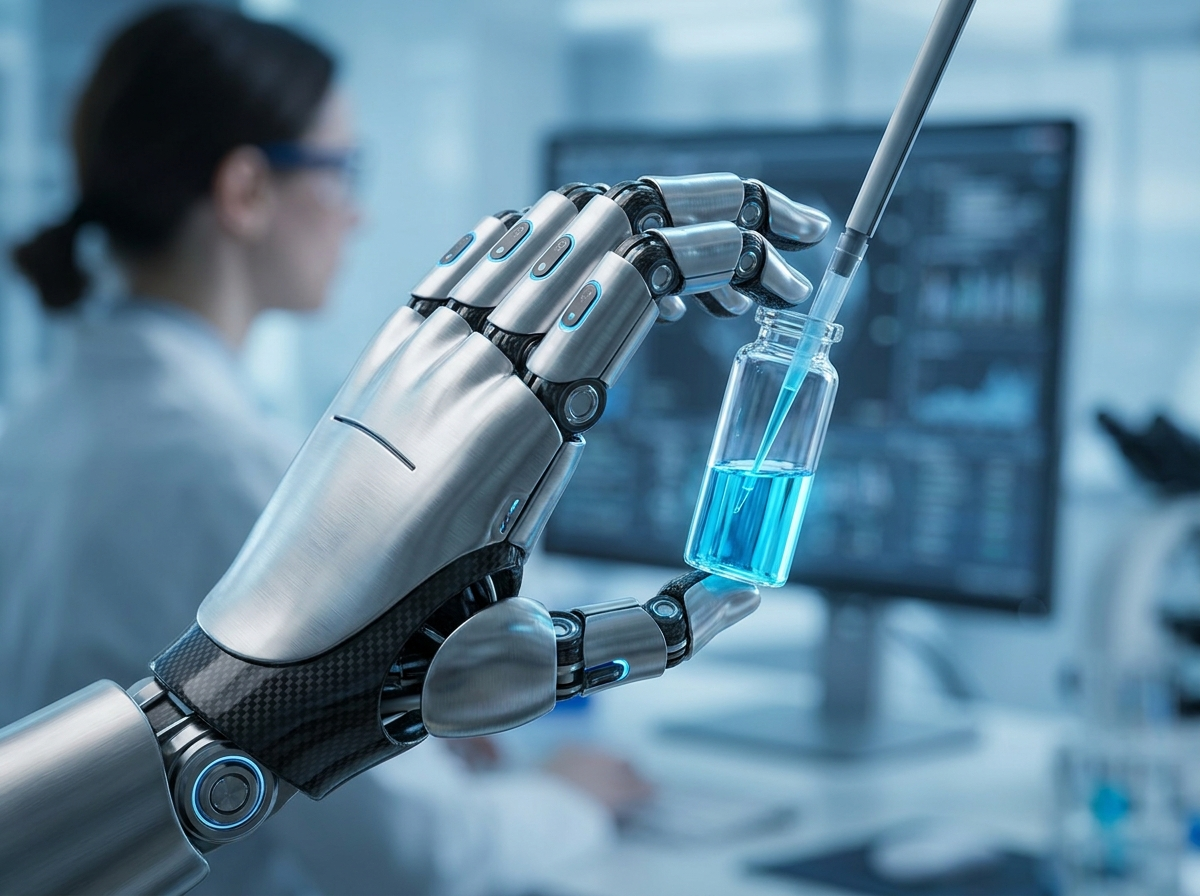
Advanced Robotics
The bridge between software intent and physical dexterity. Context is the key to collaboration.